

Dimovski in an interview with Factor: “Three companies have already made a decision to invest in Macedonia”
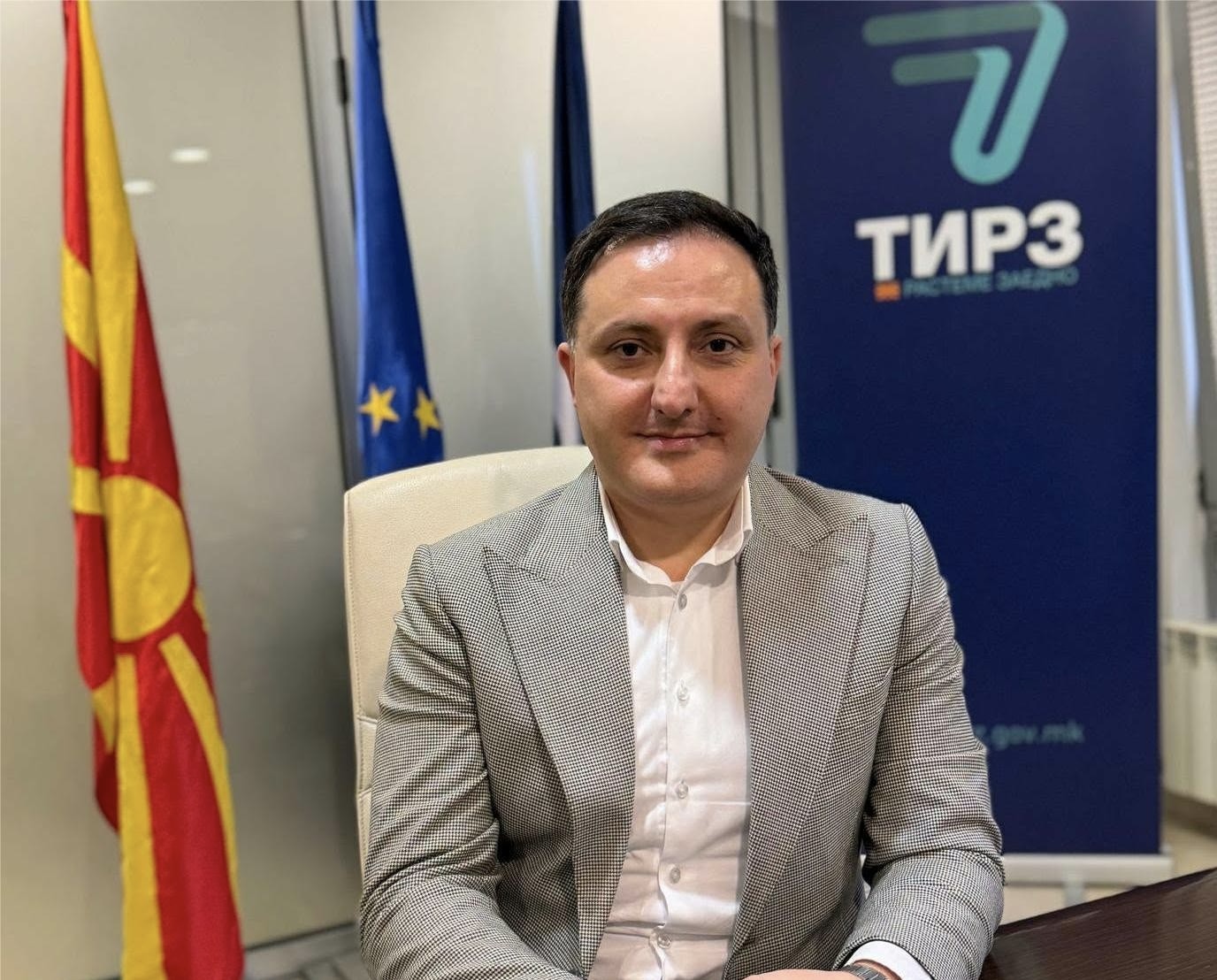
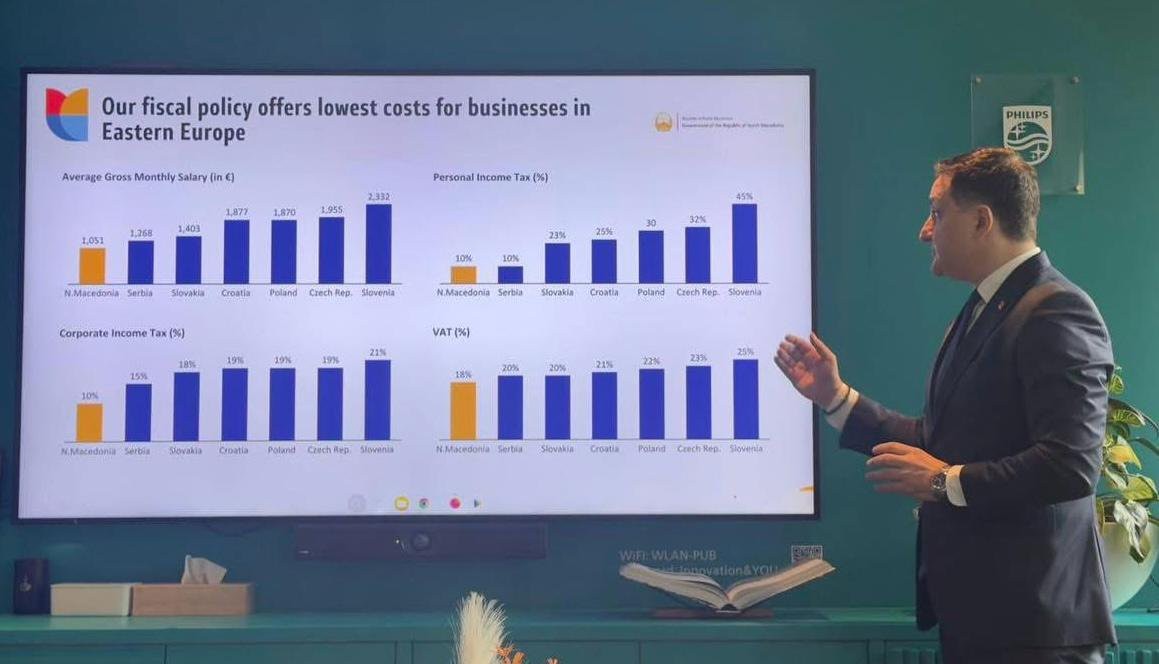
Director Goce Dimovski announced three new investments in an interview with the Faktor portal, two of which are planned to be in TIDZ Skopje and are from the pharmaceutical industry and the high-tech industry, while the remaining investment is planned to be located in the TIDZ Tetovo, and it is a production capacity from the automotive industry where a component that has not been produced in Macedonia so far will be produced. In addition, Dimovski also provided details about existing investments and the situation with Dura Automotive, Aptiv, Van Hool, Avesta and others.
Faktor: In the past period, it was mentioned that two companies in the field of high technology will invest a total of about 80 million euros and will open about 1,000 jobs. By the end of last year, it was said that at least three more confirmations for investments in the country are expected. Can you tell us who the investors are and whether their work would take place in the development zones? Give us details about these activities.
Dimovski: The serious approach in attracting foreign investments that this government has shown is giving results, and three companies have already made a decision to invest in Macedonia and all 3 investments will bring high-tech production to the country, which will create around 1,500 new jobs, which will seriously increase exports from the country, or according to their business plans, in the first phase alone, they plan to invest more than 100 million euros.
These investments will be located in the technological industrial development zones (TIDZ), or two investments are planned to be in TIDZ Skopje and they are from the pharmaceutical industry and the high-tech industry, while the remaining investment is planned to be located in TIDZ Tetovo, and it is a production capacity from the automotive industry where a component that has not been produced in Macedonia so far will be produced.
Factor: The companies Dura Automotive and Aptiv announced a gradual withdrawal from Macedonia for strategic reasons. Have the relations with these companies been clarified and is it known until when they would remain in the country?
Dimovski: Given the fact that on our part, every company that has an active state aid agreement undergoes a detailed inspection and analysis of the fulfillment of the state aid agreement at least once a year through external auditors, where for both companies a violation of the state aid agreements was found on their part, thus activities and measures have been taken with the aim of returning the state aid given to these companies.
Namely, DURA Automotive has already stopped production, so we are already in negotiations with a foreign company that plans to invest in Macedonia, and they are interested in using the facility that Dura Automotive used, while in terms of Aptiv, according to the information provided to us, they plan to stop production by the end of 2026, where there are also foreign companies that are interested in taking over Aptiv, in order for the facility where Aptiv is located to remain in operational condition after Aptiv leaves.
Factor: The automotive industry in Europe has been severely affected. How will this be reflected in 2026 in the TIDZs in our country if we know that this industry is the most represented. Is there pressure for support?
Dimovski: The fact is that the automotive industry in 2025 was faced with serious challenges, so these conditions created serious pressure on the automotive industry in Europe from the perspective of reducing the volume of production and orders. We, as DTIDZ, are in constant communication with all companies for any support and cooperation, and at the same time, on a monthly basis, we make detailed analyses for each company and monitor their situation from month to month, which means that in 2026, we expect the major car manufacturers in Europe to cope with all the challenges that lie ahead of them, which will reduce the pressure on the entire automotive industry in Europe and thus increase the volume of production and orders.
Factor: There are companies like Van Hool whose operations have been significantly affected by the newly imposed tariffs by the United States. Is support being sought from there, since the volume of production and the number of workers are already decreasing?
Dimovski: The fact is that the initially imposed customs tariffs by the United States caused a serious shock to the entire economy in the world, so in August 2025 the United States published a new list of customs tariffs by country, where for certain countries, including us, we received customs tariffs reduced by more than 50% from the initially determined ones, which is welcomed by us as a government.
We are in constant communication with the VDL Van Hool company and in accordance with the US decision made in October 2025, customs tariffs of 10% have been established for all imported buses, which means that this decision also applies to buses manufactured in Macedonia, i.e. to buses that VDL Van Hool produces in Macedonia and exports to the US, which is why this reduction in these customs tariffs was welcomed by VDL Van Hool. Regarding VDL Van Hool, I can say that 2025 has much better performance compared to 2024, i.e. in the period January 2025 – November 2025 exports have seriously increased compared to the same period in 2024.
Namely, I would like to emphasize the serious commitment that this government is making in reaching an agreement on customs tariffs with the US, with which negotiations are still ongoing and we expect the customs tariffs to be below the current ones.
Factor: Battery system manufacturers BMZ and Avesta have announced high-paying jobs. How far are these investments and will they increase the average salary level in the TID zones?
Dimovski: Regarding BMZ, I can say that this investment is being implemented according to the dynamics that have been determined, where by December 2025 the number of employees is over 120 people, with a plan to increase it. Regarding Avesta, there is a certain delay in the construction of the facility due to technical reasons, i.e. during the construction of the facility, the investor requested certain changes during the construction of the production capacity and therefore a delay in the construction had to be made in order to first implement – approve all those changes and additions to the entire urban and project documentation in accordance with the positive legal regulations in the country.
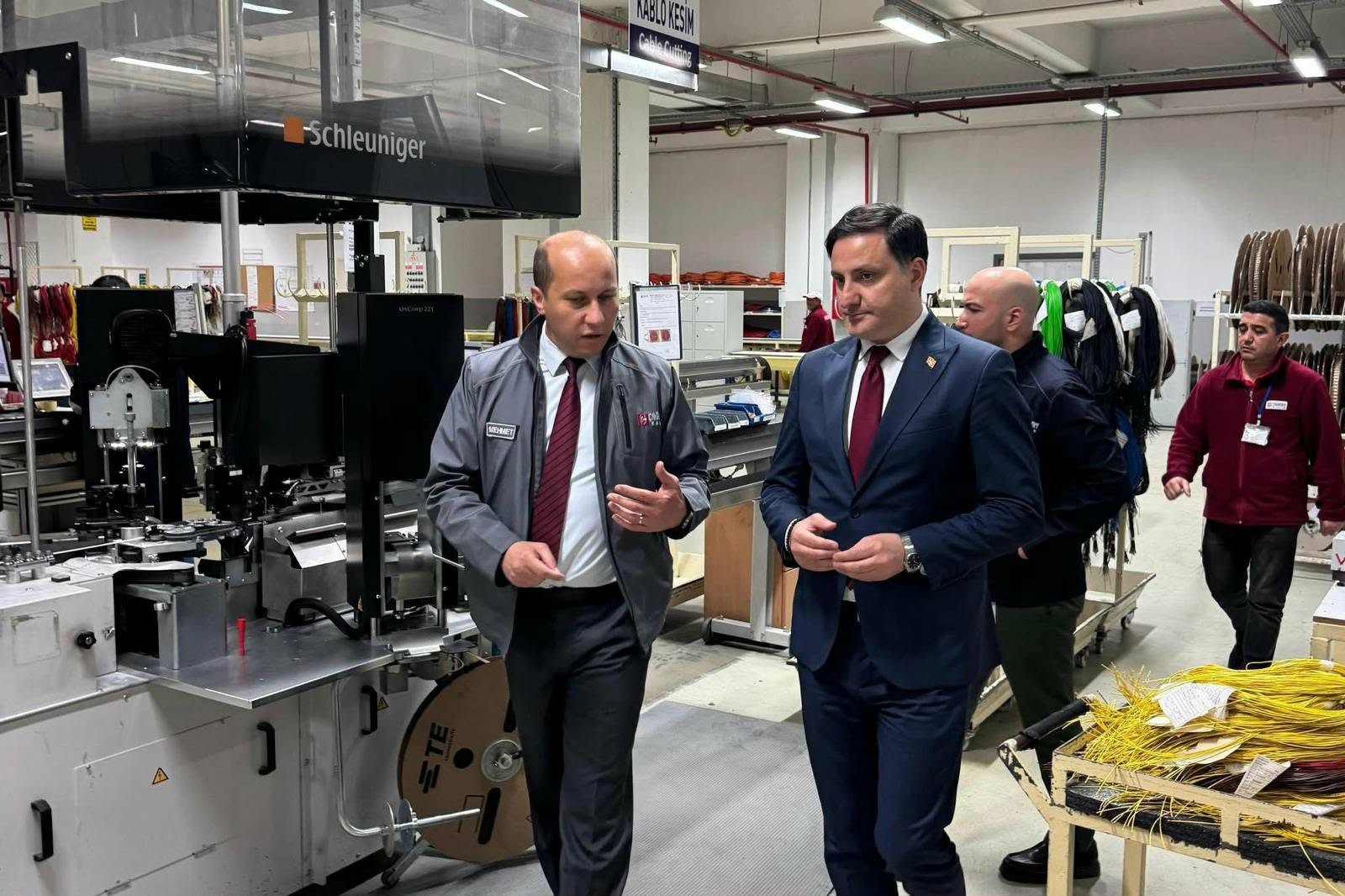
At the same time, I would like to highlight other ongoing investments in the construction of new production facilities, such as Shahterm and Cagatay Kablo, which, together with all others that are in progress and all those that have already made a decision to invest, will seriously affect the development of the domestic economy in many aspects, including increasing the level of average wages of employees in companies that operate in TID zones.
Factor: Compared to 2024, what will be the export from TIDZs this year and what can be expected in 2026 in terms of new jobs and new investments?
Dimovski: Given the fact that we, as DTIDZ, conduct comprehensive analyses on a monthly basis and according to the available data we have as of November 2025, it can be confirmed that exports from TID zones in the period January 2025 – November 2025 increased by 8% compared to the same period in 2024, so our expectations are that in 2025 exports from TID zones will be significantly higher compared to exports in 2024.
One of the main goals of this government in 2026 is to attract quality foreign investments that would in themselves have high-tech production, which, in turn, will create high-paying jobs and further increase exports. Namely, our goal is to diversify the investment portfolio due to the fact that we do not want to be dependent on only one industry, i.e. our exports should not be dependent on only one industry. We are currently negotiating with about 10 foreign companies that have expressed interest in investing in Macedonia, where, according to their business plans, it can be concluded that these are companies that have high-tech production and that would seriously increase exports from Macedonia, i.e. our goal as a government is to attract as many quality foreign investments as possible that will contribute to Macedonia being one of the countries in Europe with the highest economic growth.